精選作品精选作品Selected Works
SIX WORKS, ONE LENS.SIX WORKS, ONE LENS.SIX WORKS, ONE LENS.
— 06 SELECTED PROJECTS / 2022—2026 / DIVERSE STYLES, ONE METHODOLOGY
04 / 06↗
ResearchBook Design🏆 修士論文 優秀賞
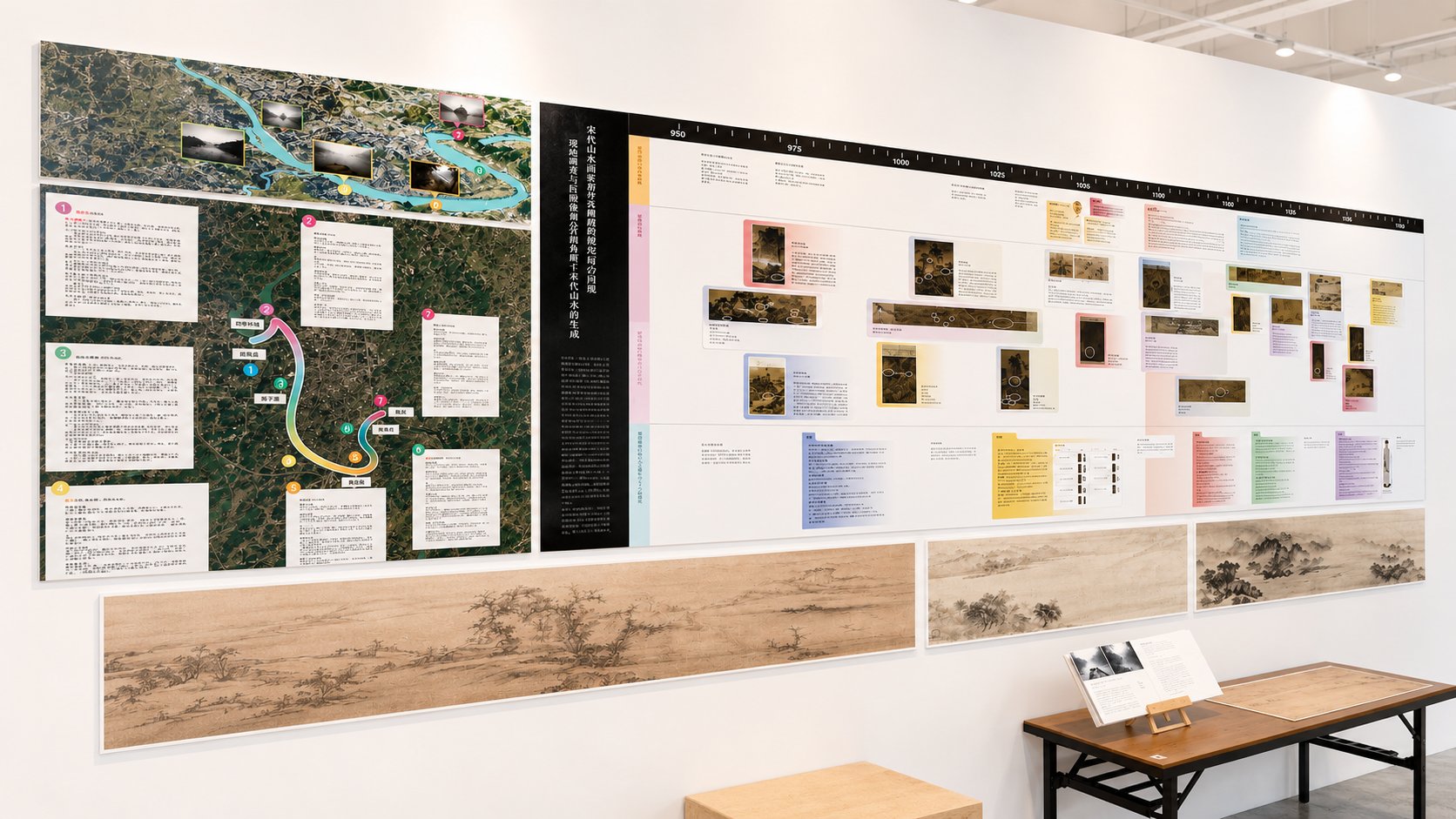
宋代山水の構成的視覚空間宋代山水的构成性视觉空间Song Dynasty Landscape Research
武蔵野美術大学 修士論文 · 優秀賞武藏野美术大学 修士论文 · 优秀奖Musashino Art Univ. — Master's Thesis · Excellence Award
宋代山水画を「構成的視覚空間」として再考。現地調査・地形モデル・図像分析を組み合わせた実証的アプローチ。将宋代山水画重新解读为「构成性视觉空间」,结合实地调查、地形模型与图像分析的实证研究。Re-examining Song Dynasty landscape painting as constructive visual space through fieldwork, terrain modeling and iconographic analysis.
View Research查看研究View Research
05 / 06↗
UI/UXiOSWarm Minimal Style
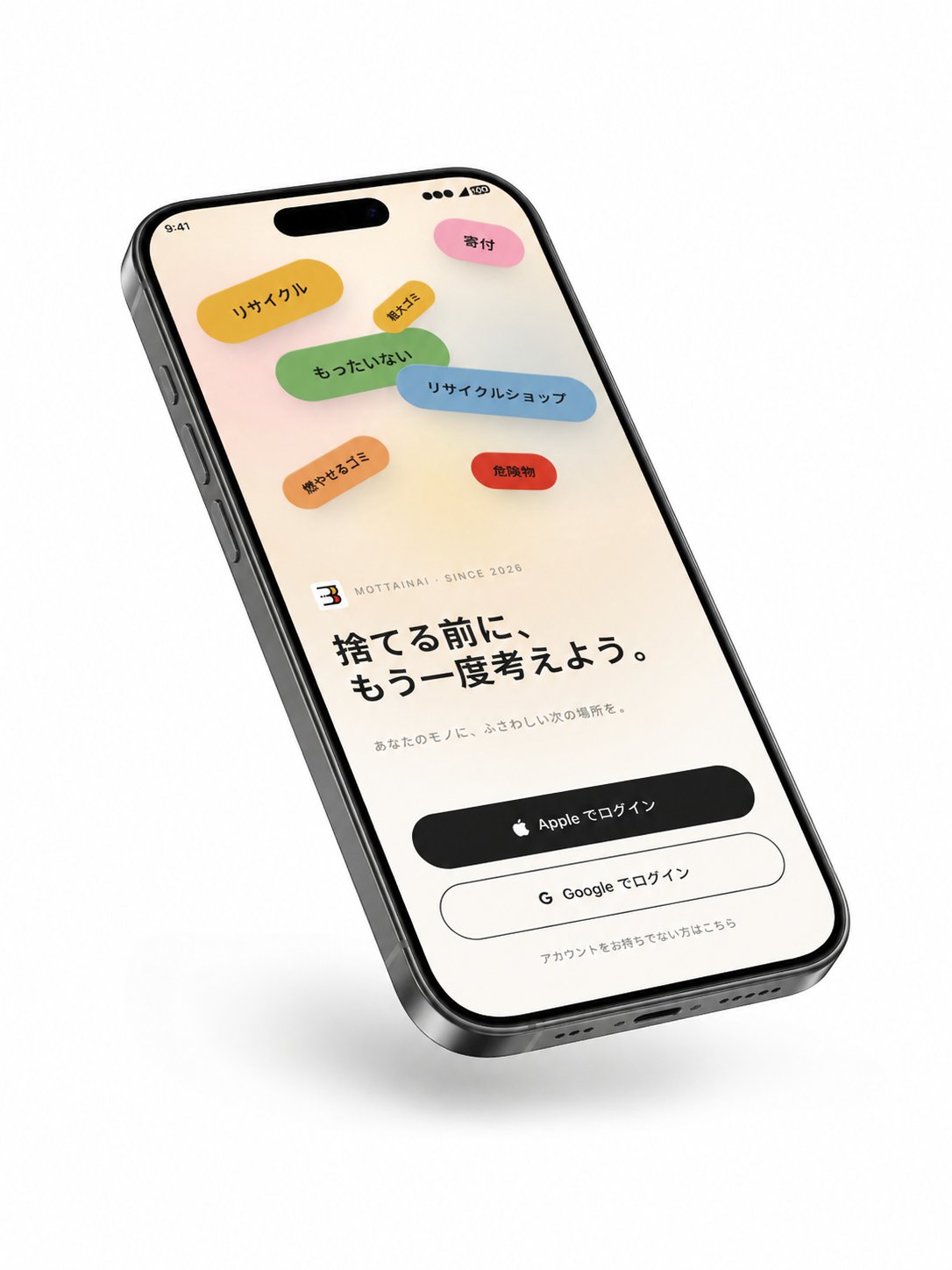
Mottainai
捨てる前に、もう一度考えよう。丢弃前,再想一想。Think again before discarding.
スタイル — 温かみのあるミニマル · 編集的UI风格 — 暖色极简 · 编辑感 UIStyle — Warm Minimal · Editorial UI
物品処分の意思決定を、写真診断・相場比較・地域ルールで支援する iOS アプリ。通过拍照识别、价格比较与地区规则,辅助物品处理决策。An iOS app for disposal decisions through photo diagnosis, resale comparison and local rules.
View Case Study查看案例View Case Study
06 / 06↗
UI/UXHapticSensory Gradient Style
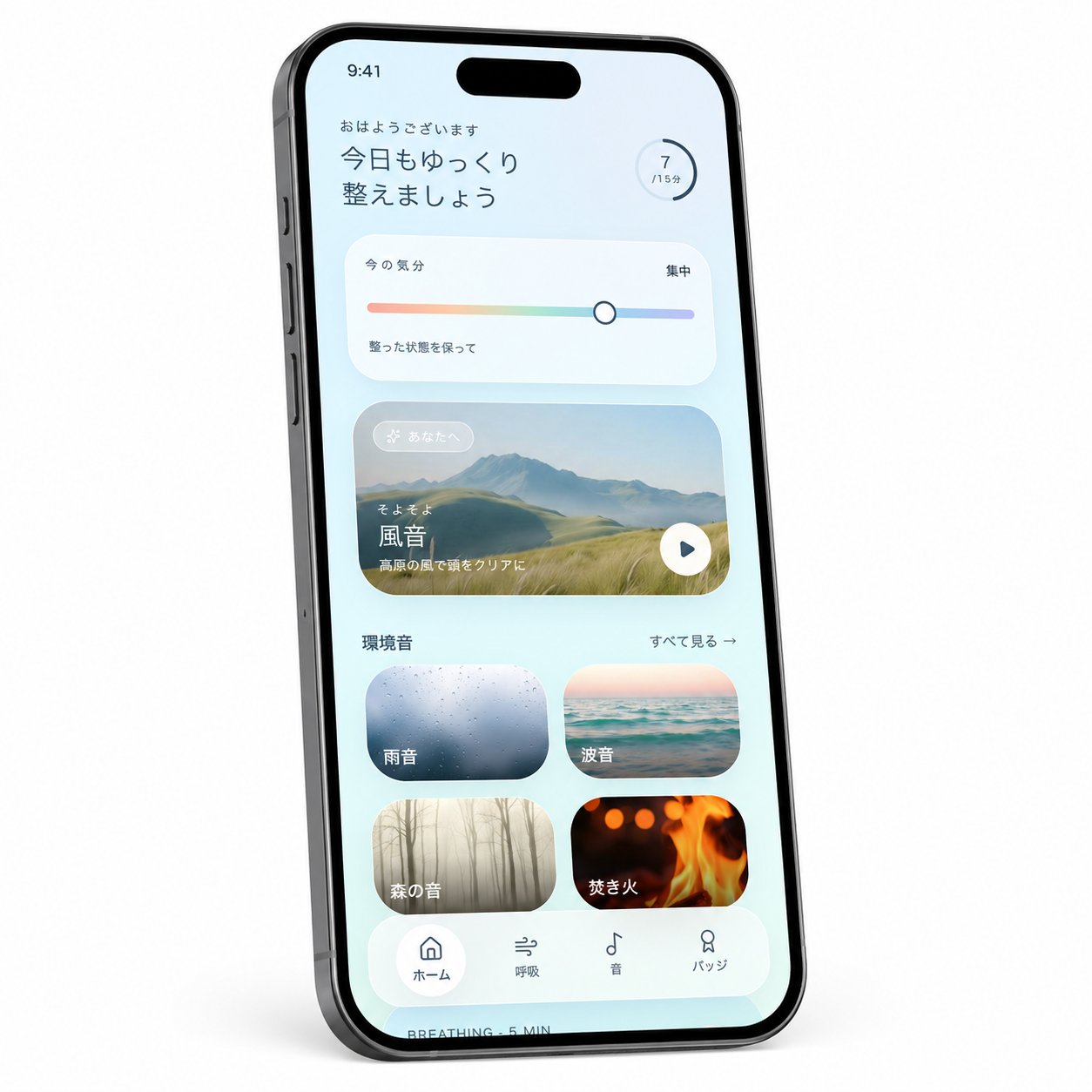
Lulio
聴覚 × 触覚、深いリラックスへ。听觉 × 触觉,引导深度放松。Audio × Haptic, deep rest.
スタイル — グラデーション · 感覚的UI风格 — 渐变柔感 · 多感官 UIStyle — Soft Gradient · Sensory-Driven UI
呼吸と同期した声と振動で、音・触覚・視覚のリラックス体験を設計。以呼吸同步的声音与振动,设计多感官冥想体验。A relaxation experience shaped through breath-synced sound, haptics and visuals.
View Case Study查看案例View Case Study